If you’re running a business here in Louisville, whether it’s a law firm on Main Street or a manufacturing plant out near JTown, you’ve likely been bombarded with IT jargon. It’s like an alphabet soup: SOC, SIEM, MSSP, MDR. It’s enough to make any business owner’s head spin. But here’s the bottom line: Cybercriminals don't care if you're confused. In fact, they’re counting on it. While you’re trying to figure out what these acronyms mean, they’re relentlessly hunting for a way into your network.
At Argus Cybersecurity and Support, we believe in plain English. You don’t need a degree in computer science to protect your livelihood. You just need to know which defense strategy actually stops the bad guys from ruining your day. Today, we’re breaking down the heavyweight match of the security world: MSSP vs. MDR. Which one is the right fit for your business?
Overview: What Are We Even Talking About?
Before we dive into the "which is better" part, let’s define these terms without the tech-speak.
What is an MSSP?
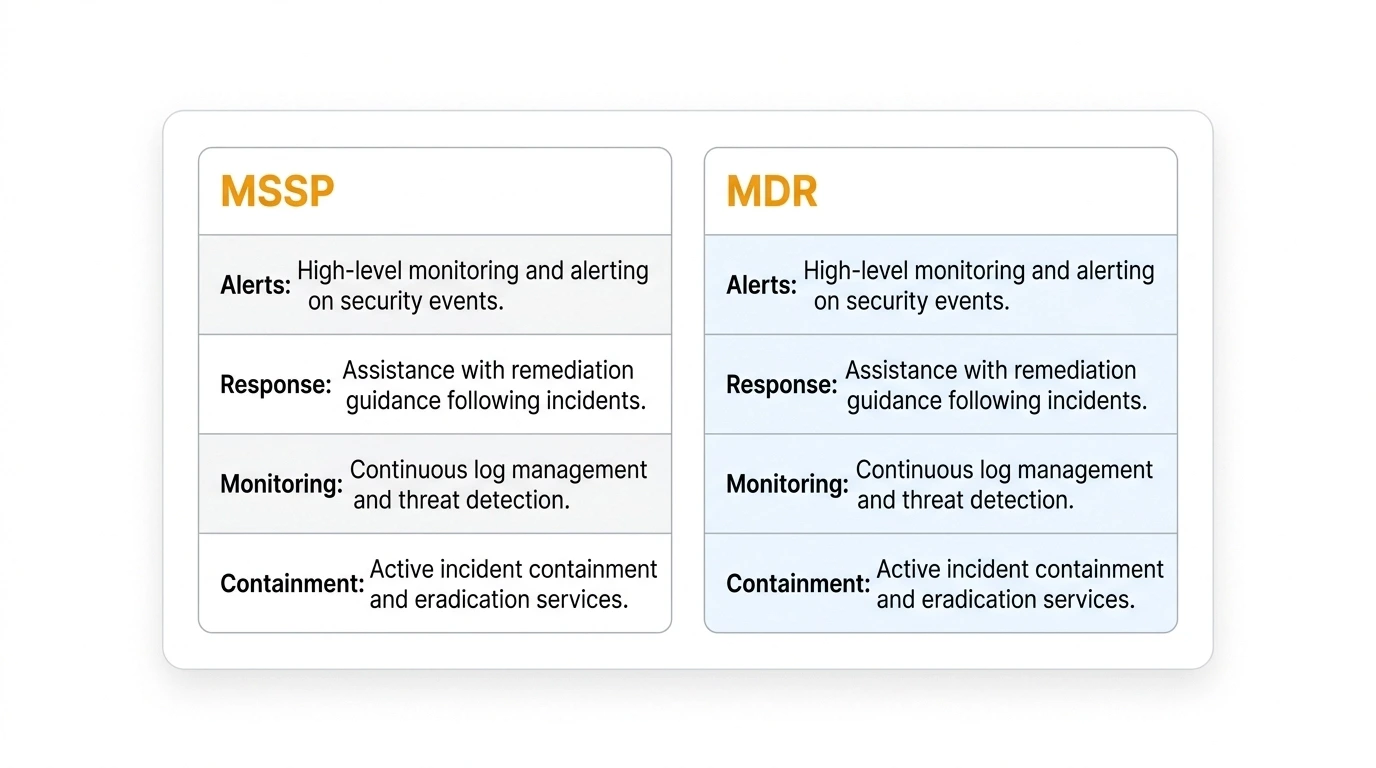
An MSSP (Managed Security Service Provider) is like a high-tech security alarm system for your digital office. They install the sensors, monitor the "perimeter" (your firewalls and software), and send you an alert if something looks fishy. The catch? Often, when the alarm goes off, it’s up to you to figure out what to do next. If a sensor trips at 3:00 AM on a Sunday, the MSSP might send you an email saying, "Hey, your front door is open," but they won't necessarily drive over and lock it for you.
What is MDR?
MDR (Managed Detection and Response) is more like having a 24/7 security guard team stationed inside your building. They aren't just watching the cameras; they are actively hunting for intruders who might have slipped through a window. When they find a threat, they don’t just send you a "heads up" email. They stop the threat in its tracks. They isolate the infected computer, block the attacker, and then tell you what happened after the danger is gone.
How It Works: The "Vigilant Protector" Stance
The main difference between these two boils down to one word: Proactivity.
The MSSP Approach: Reactive Monitoring
Most MSSPs focus on hygiene and maintenance. They manage your firewalls, update your antivirus, and keep an eye on logs. It’s a "check-the-box" style of security. It helps you stay compliant with standards like SOC or PCI-DSS, but it can be slow to react when a sophisticated attacker enters the chat.
If you have a large internal IT team that just needs better tools, an MSSP might work. But for most small businesses, do you really have someone on staff who knows what to do with a "Critical SQL Injection Alert" at midnight? (By the way, if you’re curious what that actually is, check out our Cyberpedia entry on SQL Injections).
The MDR Approach: Proactive Hunting
MDR is built for the world we live in now, a world where phishing attacks are hiding behind legitimate tools like DocuSign.
MDR doesn't just wait for an alarm to go off. It uses threat hunting. This means experts are actively looking for "indicators of compromise", tiny breadcrumbs that suggest a threat actor is poking around your system.
At Argus, our MDR-style approach means we are the vigilant protector. We don't sleep so you can. We use a layered defense to ensure that even if one door is kicked in, the attacker finds three more locked ones waiting for them.
The Big Breakdown: MSSP vs. MDR
Let's look at the "bottom line" comparison. Did you actually read the fine print on your current IT contract? Most business owners realize too late that their "security" provider only watches and doesn't actually act.
Business Relevance: Why This Matters in Louisville
You might think, "I'm just a small accounting firm in St. Matthews, why would a 'sophisticated' attacker target me?" The truth is, attackers aren't always looking for the biggest fish; they're looking for the easiest ones. Small businesses often have the same sensitive data as large corporations but only a fraction of the security.
If your email gets hacked, and it happens more than you think, a standard MSSP might log the event. But an MDR provider will see the unauthorized login from overseas, lock the account, and kill the active session before the hacker can send a single "Please pay this fake invoice" email to your clients.
Minimizing disruption is the name of the game. Every hour your network is down is money out of your pocket and damage to your reputation.
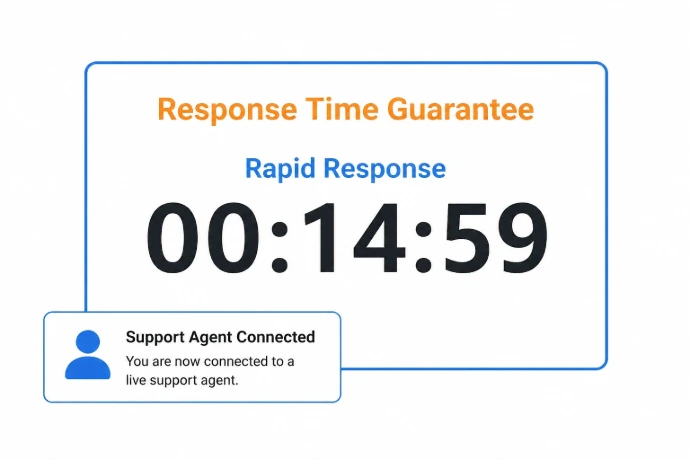
In cybersecurity, every second counts. Our response time is measured in minutes, not days.
The Argus Difference: We’re Humans, Not Just Robots
At Argus Cybersecurity and Support, we lean heavily into the MDR side of things because we know that technology alone isn't enough.
1. Our 15-Minute Average Response Time
When something goes wrong, you don’t want to be stuck in a phone tree or waiting for a ticket response from a "help desk" halfway across the world. We pride ourselves on a 15-minute average response time. That is the "Argus Speed" our partners have come to rely on.
2. Plain-English Communication
We hate tech jargon as much as you do. If we see a DomainKeys Identified Mail (DKIM) issue, we won't just throw that acronym at you. We'll tell you, "Your email signature isn't verifying correctly, which might make your emails land in your client's spam folder. We're fixing it now."
3. Proactive 24/7 Monitoring
Attackers don't work 9-to-5, and neither do we. Our systems are hunting for threats while you’re at home with your family. We treat your business like it's our own, taking a "people-first" approach that makes us a partner, not just another vendor.
Don't Make These Common Mistakes
Many business owners fall into the trap of thinking "my IT guy has it covered." But "IT" and "Cybersecurity" are two different ballgames.
In our experience, there are 7 common mistakes small businesses make with their security. The biggest one? Assuming detection is the same as response.
If you have an MSSP, you have detection. If you have MDR (or Argus), you have Response.
Rhetorical Question:
If your business was targeted by a ransomware attack tonight at 2:00 AM, who is responsible for stopping it?
- Is it your internal office manager?
- Is it a provider who will just send you an alert?
- Or is it a team that is already inside the system, blocking the encryption before it even starts?
If the answer isn't "a team of experts," you’re at risk.
How to Choose: The Bottom Line
So, MSSP or MDR?
If you are a very large company with a 10-person internal IT department and you just need more data to look at, an MSSP might be fine.
But if you are a small to mid-sized business in industries like Legal, Accounting, Manufacturing, or Real Estate, MDR is the clear winner. You need a team that takes the burden of incident response off your plate entirely.
Ready to Secure Your Louisville Business?
Don’t wait for a "relentless" attacker to find a hole in your defenses. Whether you need a full Technology Consulting assessment or you're ready to upgrade to 24/7 proactive monitoring, we’re here to help.
At Argus, we provide the layered defense you need to stay one step ahead.
Stop worrying about your IT and start focusing on your growth.
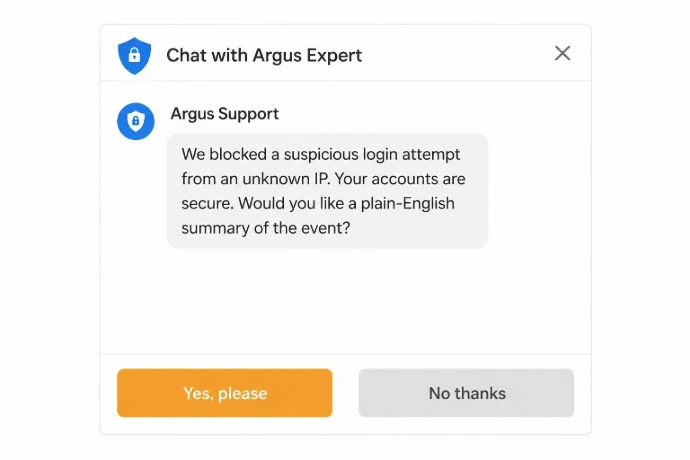
Contact Argus Cybersecurity and Support Today and let’s talk about how we can protect your business( in plain English.)