Cybersecurity Knowledge Base
CyberPedia
Your essential guide to cybersecurity threats, attacks, and defenses. Understand the risks. Protect your business.
EvilTokens
Overview
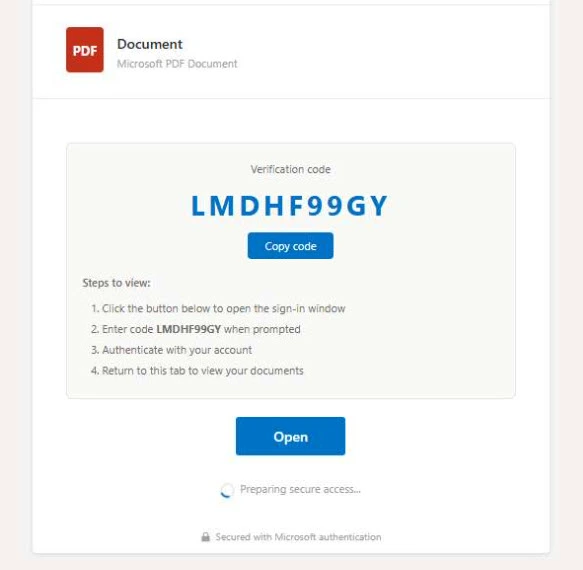
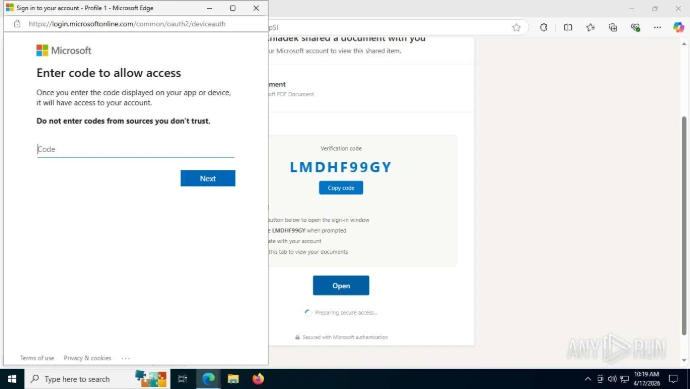
EvilTokens is an attack technique where an adversary forges, steals, or manipulates authentication tokens so they can impersonate legitimate users or services. In plain terms: the attacker creates or abuses a “fake but valid‑looking ID badge” that systems trust, gaining unauthorized access without knowing the real password.
What EvilTokens Attacks Involve
In an EvilTokens scenario, the attacker typically focuses on:
Token theft
Capturing existing tokens (for example, cookies, OAuth/JWT access tokens, API tokens) via phishing, malware, man‑in‑the‑middle, or client‑side compromise.
Token forgery or manipulation
Creating new tokens or modifying existing ones if they can obtain or guess signing keys, abuse weak algorithms, or exploit misconfigurations in token validation.
Token replay and reuse
Reusing a valid token to access resources until it expires or is revoked, often bypassing MFA because the token represents an already‑authenticated session.
What Attackers Can Do with EvilTokens
If successful, EvilTokens‑style attacks can allow an adversary to:
Impersonate users or services
Act as victims in web apps, APIs, cloud consoles, or microservices environments.
Bypass normal login controls
Skip MFA, password requirements, or IP restrictions if the service only checks the token.
Escalate privileges
Forge tokens that claim higher roles or scopes (for example, admin permissions) if validation is weak.
Move laterally and persist
Use stolen or forged tokens across multiple services, regions, or tenants to maintain access even after passwords are changed.
Why EvilTokens Attacks Work
EvilTokens attacks become feasible when:
Token signing keys or secrets are exposed
Through code repositories, configuration leaks, poorly protected key stores, or mismanaged cloud credentials.
Token validation is misconfigured
Examples include accepting unsigned tokens, ignoring signature algorithms, not checking issuer/audience, or trusting self‑issued tokens.
Excessive token lifetime or scope
Long‑lived tokens or wide‑ranging scopes (for example, full admin rights) give attackers a big window to abuse a single compromise.
Insufficient monitoring of token use
Abnormal token usage patterns (new locations, devices, or APIs) go unnoticed, allowing quiet abuse.
Key Protections (Plain-Language)
For developers and identity/platform teams:
Use strong, protected signing keys
Store keys/secrets in secure key management systems, rotate them regularly, and avoid hard‑coding them in source code.
Enforce strict token validation
Always verify signatures, issuer, audience, expiration, and scopes; disable insecure algorithms and reject unsigned or tampered tokens.
Limit token lifetime and scope
Use short‑lived access tokens, narrow scopes/roles, and refresh tokens with additional checks.
Harden token handling on the client side
Protect tokens from XSS and local compromise, use secure and HTTP‑only cookies where appropriate, and avoid exposing tokens in URLs.
Monitor token usage closely
Detect unusual token activity (new geolocation, impossible travel, new client types, or unusual API calls) and trigger re‑authentication or revocation.
Business Impact
If EvilTokens attacks succeed, organizations may face:
Account and service takeover
Attackers operating as users, admins, or service principals with full access to data and infrastructure.
Data exfiltration and integrity loss
Reading, altering, or deleting records in critical applications and cloud services.
Abuse of cloud resources
Spinning up infrastructure, changing configurations, or inserting backdoors via compromised service identities.
Regulatory and reputational damage
Breaches involving sensitive or regulated data where access logs show “legitimate” tokens rather than obvious brute‑force attempts.