
It’s the middle of finals week. You’re fueled by nothing but lukewarm coffee (or energy drinks) and the desperate hope that your students actually read the syllabus. Then, you go to log in to Canvas, and instead of your dashboard, you’re greeted by a message from a hacker group.
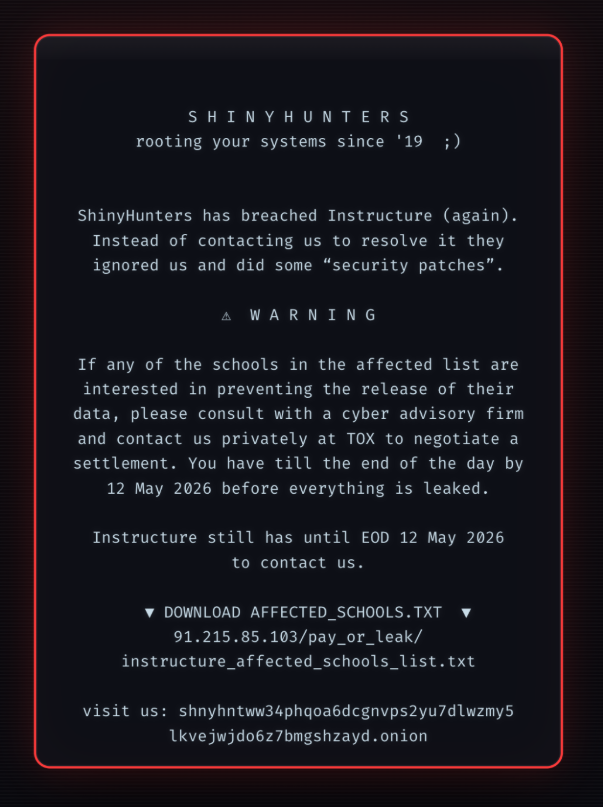
Welcome to the largest, known, education data breach in history.
If you haven’t heard yet, Instructure: the company behind the massive learning management system (LMS) known as Canvas: was recently hit by a sophisticated cyberattack. This wasn't just a "dog ate my homework" level of tech glitch. We’re talking about a massive, 3.65-terabyte data heist that has sent shockwaves through nearly 9,000 institutions worldwide.
At Argus Cybersecurity and Support, we see these headlines every day. But this one hits different because it targets our schools, our students, and our teachers right when they are most vulnerable. Whether you’re a school administrator in Louisville or a parent worried about your kid’s privacy, you need to know what happened and how to stay ahead of the fallout.
Who Are the Players?
Before we dive into the wreckage, let’s talk about who is on the field.
Instructure (The Target)
If you have a student in middle school, high school, or college, you know Canvas. It’s the digital classroom where grades are posted, assignments are turned in, and students message their teachers. It is the backbone of modern education. When Canvas goes down: or worse, gets breached: the entire academic process grinds to a halt.
ShinyHunters (The Hackers)
These aren't your average "kids in a basement." ShinyHunters is a notorious threat actor group known for high-profile hits on companies like Microsoft, AT&T, and Ticketmaster. They don’t just want to "hack" things; they want to steal massive troves of data and hold them for ransom. They are relentless, sophisticated, and, unfortunately, very good at what they do.
Overview: What Actually Happened?
The trouble started around April 30, 2026. ShinyHunters exploited a vulnerability in a support ticket system used by Canvas. Once they were in, they didn't just look around: they started hauling out the digital furniture.
The group claimed to have stolen 3.65 terabytes of data. To put that in perspective, that’s roughly 275 million records. It’s the digital equivalent of a thief walking out of a library with every single book, student record, and private letter ever written.
The attack escalated during finals week when hackers "defaced" login pages. Instead of a login box, students at over 300 institutions saw extortion messages. Imagine trying to take a high-stakes exam and seeing a ransom note from a global cybercrime syndicate instead. Not exactly the "testing environment" you want for your kids.
What Data Was Taken? (The Good and The Bad)
Let’s cut through the jargon and look at the bottom line. What did they actually get?
The Stolen List:
- Real Names and Email Addresses: The bread and butter for future phishing attacks.
- Student ID Numbers: A key piece of personal identification in the academic world.
- Course Names and Enrollment Info: They know exactly what classes you’re taking and where you go to school.
- Private Messages: This is the big one. Any discussion between students and teachers on the Canvas platform was potentially sucked up in this breach.
The "Safe" List (For Now):
According to the latest reports, passwords, dates of birth, and financial information were not compromised. This is the silver lining, but don't get too comfortable. Even without your password, a hacker with your name, email, and student ID can do a lot of damage.
How it Works: Why This is a "Final Exam" for Cyber Security
This breach wasn't just a failure of one piece of software; it was a failure of vendor risk management. Instructure is a vendor to thousands of schools. When the vendor gets hacked, everyone they serve gets hacked by extension.
This is exactly why we tell our clients that small business IT security isn't just about your own office: it's about every partner you trust with your data.
ShinyHunters used a "double extortion" tactic. First, they stole the data. Then, they defaced the portals to create public pressure. By hitting during finals week, they ensured maximum chaos, hoping to force Instructure into a quick payout. And on May 12, 2026, reports surfaced that a ransom agreement was finally reached.
Business Relevance: What This Means for You
You might be thinking, "I’m not a student, why does this matter to me?"
If you run a business, this hack is a massive warning sign. If a giant like Instructure can be hit twice in eight months, what are you doing to protect your own cybersecurity?
Attackers are hunting for the easiest path to your data. Often, that path is through a third-party app or a partner you’ve given access to your network. This is the "Us vs. Them" reality of 2026: The attackers only have to be right once; we have to be right every single time.
Action Steps: How to Protect Your Students (and Yourself)
If your school uses Canvas, you need to act now. Don't wait for a "we’re sorry" email that might come months too late.
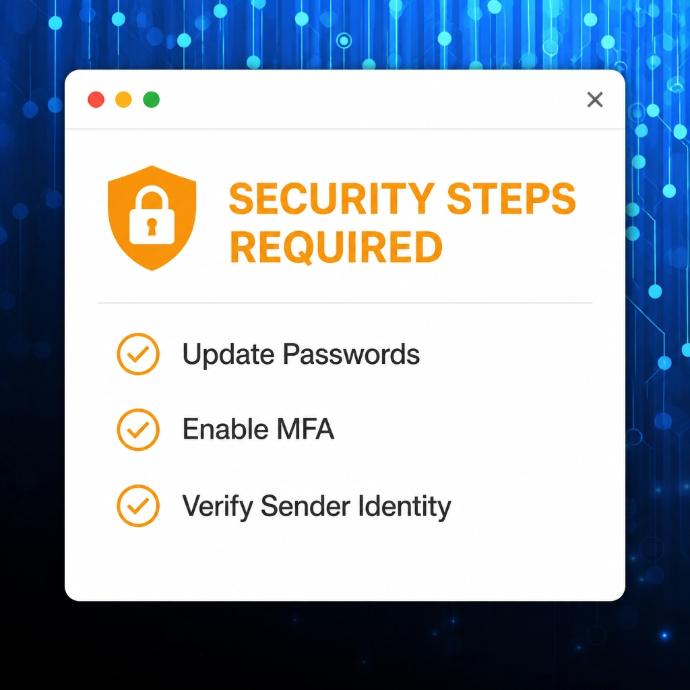
- Change Your Password (Even if they say you don't have to): Just because they didn't steal passwords this time doesn't mean they won't use the other info they stole to try and guess them later.
- Enable MFA (Multi-Factor Authentication): This is the single most effective way to block unauthorized access. If you don't have a second code sent to your phone, you're basically leaving your front door unlocked.
- Be Suspicious of "Personalized" Phishing: This is critical. Because hackers have student IDs and course names, they can send emails that look incredibly real. They might say, "Action Required for [Your Course Name]" and include your real Student ID. Never click a link in an email. Go directly to the official website instead. Use tools like Phishim to stay sharp.
- Audit Your Messages: If you sent sensitive info (like a SSN or a password) via a Canvas message, assume it is now in the hands of the hackers. Change any related passwords immediately.
Why Argus Cybersecurity and Support is Your Best Defense
At Argus, we don't just fix computers; we hunt threats. We provide managed IT services in Louisville that focus on proactive defense rather than reactive cleanup.
When a giant platform like Canvas gets hit, our clients don't panic. Why? Because we help them manage vendor risk. We look at the tools you use and ask the hard questions: How is this vendor protecting your data? What happens if they get breached? Do we have a backup plan?
We speak "plain English," not tech-jargon. We don't want to talk to you about "SQL injection vulnerabilities" (though we stop those too); we want to talk to you about minimizing disruption and reducing risk. We act as your vCIO, looking at the big picture so you can focus on growing your business: or in this case, graduating your students.