Let’s be honest: your team is busy. Between meeting deadlines, handling legal issues, or managing client expectations, cybersecurity is rarely the first thing on anyone's mind. But while your team is focused on growth, attackers are focused on them.
In 2026, phishing isn't just about "Nigerian Princes" or misspelled emails from "Netflix." It has evolved into a sophisticated, multi-channel assault. In fact, research shows that employees are involved in 95% of successful cyberattacks, usually as unwitting victims. The attackers are relentless, and they only need to be right once. You have to be right every single time.
At Argus Cybersecurity and Support, we take a people-first approach. We don't believe in shaming employees for making mistakes; we believe in empowering them with the right tools and knowledge. As a Louisville-based managed IT partner, we see these seven mistakes every day.
Here is what your team is doing wrong, and exactly how you can fix it before the next "urgent" email hits their inbox.
1. The "Quishing" Trap: Scanning Without Thinking
You’ve seen them everywhere, on menus at Fourth Street Live, on parking meters, and now, in your inbox. QR code phishing, or "Quishing," is the breakout threat of 2026. Attackers embed malicious links into QR codes because traditional email filters often can’t "read" the code to see where it leads.
The Mistake: An employee receives an email titled "Updated Benefits Package" or "Payroll Adjustment" containing only a QR code. They scan it with their personal phone, bypassing the company’s workstation security, and land on a perfectly spoofed login page.
The Fix: Treat every QR code like a suspicious link. Implement a "Think Before You Scan" policy. If an internal department sends a QR code unexpectedly, verify it via a quick Teams message or a phone call before pulling out the smartphone.
2. Falling for the "Executive" Urgency
"Hey, are you at your desk? I need you to run a quick errand for me."
We’ve all seen this one, but it still works. Business Email Compromise (BEC) has become incredibly personalized. Attackers scrape LinkedIn or local business journals to find out who your CFO is and who the newest hire in the accounting department is. They strike when they know the boss is traveling or in a meeting.
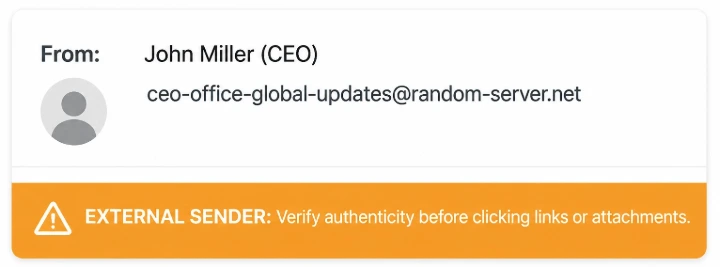
The Mistake: Acting immediately out of a desire to be helpful or a fear of disappointing leadership. Urgency is the attacker’s greatest weapon. When an email demands a wire transfer or a gift card purchase "right now," the logical part of the brain often shuts down in favor of compliance.
The Fix: Establish an "Out-of-Band" verification process. Any request for financial transactions or sensitive data must be confirmed through a second, pre-approved channel: like a direct phone call or a face-to-face conversation. If it’s truly an emergency, your leadership won’t mind the 30-second delay to verify the request.
3. MFA Fatigue: The "Just Make it Stop" Reflex
Multi-Factor Authentication (MFA) is your best friend, but attackers have found a way to weaponize it. They’ll trigger dozens of login notifications to an employee's phone at 2:00 AM. Eventually, the exhausted employee hits "Approve" just to stop the buzzing and go back to sleep.
The Risk: This is known as Push Harassment. If an attacker has compromised the password, they only need that one click to bypass your entire defense and gain entry to your network.
The Fix: Transition to "Number Matching" MFA. In this setup, the user must type a specific code shown on their computer's login screen into their phone app. It's much harder to "accidentally" approve a login when you have to provide a specific number that you don't actually have.
4. Trusting the "Look" of Familiar Platforms
Your team uses Zoom, Microsoft Teams, QuickBooks, and SharePoint every day. Attackers know this. They create pixel-perfect replicas of these login pages, complete with the correct fonts and logos.
The Mistake: Relying on visual cues to determine if a site is "official." Modern phishing kits can mirror a site’s design perfectly, making it indistinguishable from the real thing to the naked eye.
The Fix: Never use the link provided in the email. If you get a notification that a document is waiting for you in SharePoint, open your browser and navigate to SharePoint directly through your bookmarked link. Did you actually read the fine print in that URL? If it says sharepoint-docs-verify.com instead of microsoft.com, it's a trap.
5. Over-Sharing on Professional Networks
Louisville is a tight-knit business community. While networking on LinkedIn or at local events is great for growth, it provides a goldmine for OSINT (Open Source Intelligence). If an employee posts, "Excited to be starting our new server migration project today!" they are handing an attacker the perfect "hook" for a phishing email.
The Mistake: Posting specific details about internal projects, software vendors, or organizational hierarchies. This allows attackers to craft a message that sounds highly credible.
The Fix: Implement social media guidelines for your team. Train them to be "vaguely professional." They can celebrate a win without naming the specific vendor or the specific department involved, which prevents attackers from knowing exactly when and how to strike.
6. The "Silence of the Fear" (Lack of Reporting)
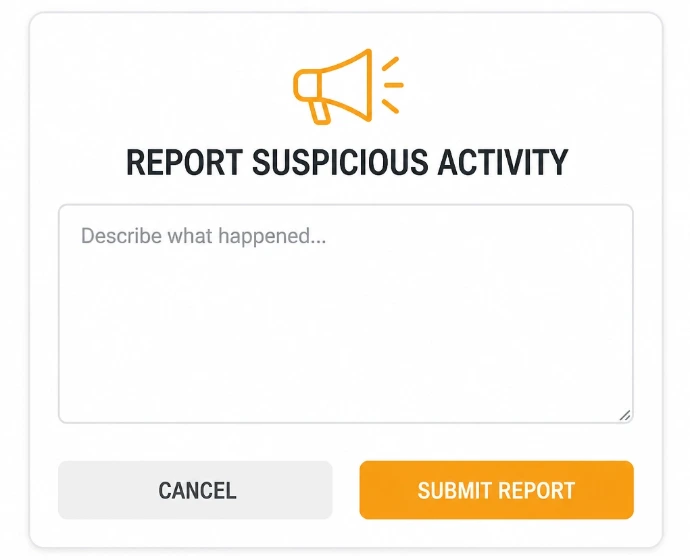
This is the most dangerous mistake of all. An employee clicks a link, realizes something is wrong, and then... does nothing. Why? Because they are afraid of being fired or reprimanded.
The Mistake: Creating a culture of fear instead of a culture of security. In most cases, the difference between a minor incident and a full-blown incident response nightmare is the time it takes to report the error.
The Fix: Argus advocates for a "People-First" reporting culture. You need to reward employees for coming forward immediately. We want them to say, "I think I messed up," within seconds. As your "vigilant protector," we can block the threat instantly: but only if we know it’s there.
7. The "Small Business" Delusion
"Why would they target us? We’re just a small manufacturing shop in St. Matthews."
The Mistake: Thinking your size is your shield. In reality, attackers use automated bots to scan the internet for vulnerabilities 24/7. They don't care who you are; they care that you have a bank account and client data. Small businesses are often preferred targets because they typically have weaker defenses than national corporations.
The Fix: Realize that cybersecurity is not a "luxury item": it is a core business necessity. Investing in comprehensive IT support and security isn't about buying software; it's about buying the freedom to focus on your actual job while we handle the "hunting."
Business Relevance: The Bottom Line
When a phishing attack succeeds, it doesn't just "lose a password." It leads to ransomware, data breaches, and massive business disruption. For a Louisville business, a single afternoon of downtime can cost tens of thousands of dollars and years of reputation damage.
At Argus Cybersecurity and Support, we don't just sell you a license and walk away. We are your partner. We offer:
- 24/7 Threat Detection: We are actively monitoring your network while you sleep.
- 15-Minute Average Response Time: When something looks suspicious, we’re already on it.
- Plain-English Communication: We skip the tech jargon and tell you exactly what the risk is and how we're stopping it.
The defender never rests so the business owner can. Are you sure your team is ready for the next sophisticated attack? Did you actually read the fine print on your current IT compliance?
Don’t wait for the "Oops" to happen. Contact us today for a comprehensive security audit. Let's make sure your Louisville team is the strongest link in your defense, not the weakest.